
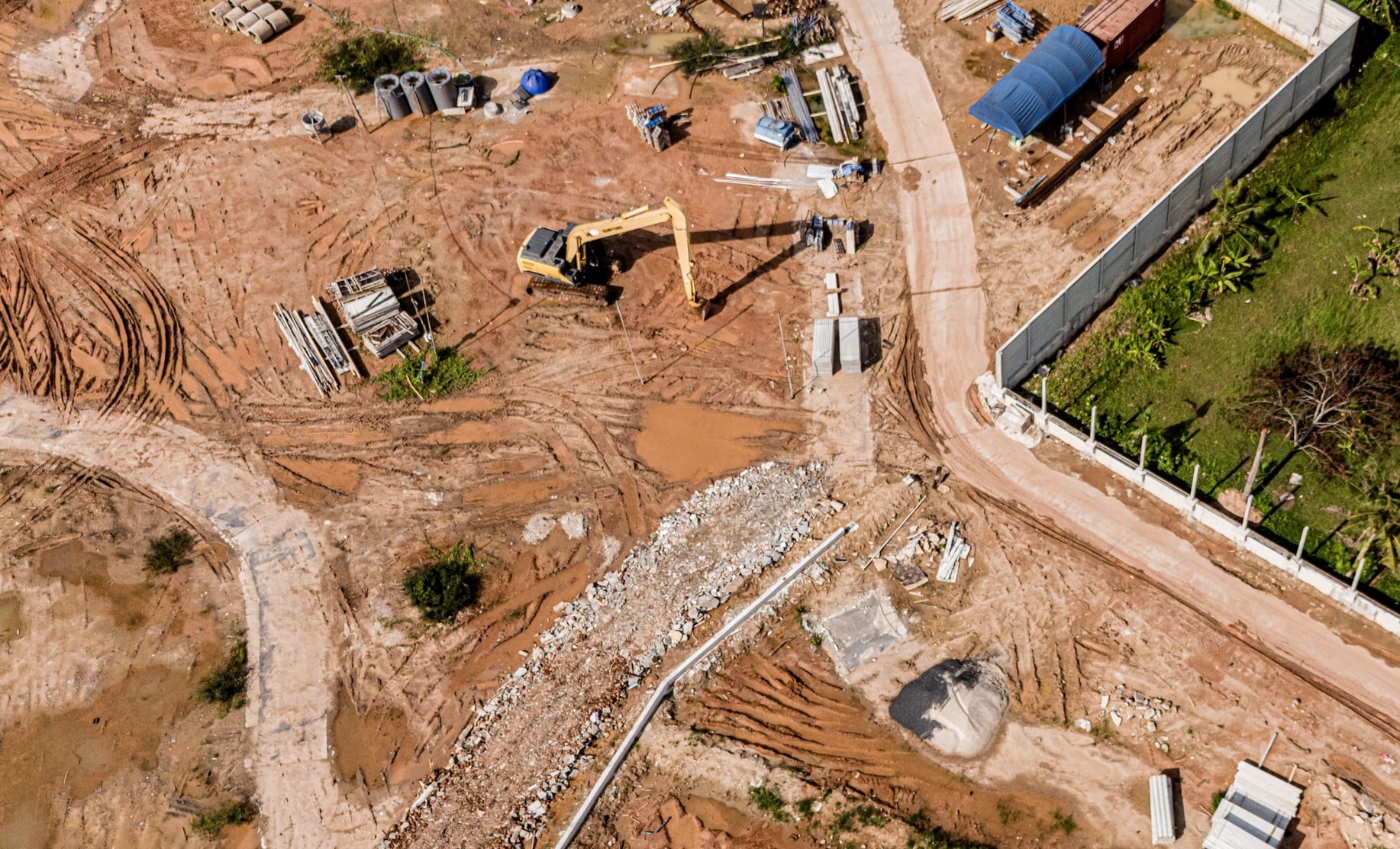
If you are a landowner and want to prepare land for new house in Newcastle, the work should start well before the first brick is laid.
Professional land preparation will help ensure your build runs smoothly, meets council requirements, and avoids costly delays.
This guide walks you through the types of land clearance, the step-by-step process, permits you’ll need, and what to expect once the work is done.
Read on for your complete roadmap to site clearing and earthworks Newcastle.
What types of land clearance are available?
Land clearance is not one-size-fits-all. The right method depends on your site’s condition, vegetation, and your building plans.
Full site clearing
- Removes all vegetation, structures, and debris.
- Probably will be needed if your plans require a completely vacant block.
- Leaves a clean, level surface ready for construction.
Partial clearing
- Targets specific areas while retaining trees or features.
- Useful for sloped sites or properties with protected vegetation.
- Helps meet environmental or council requirements.
Vegetation and stump removal
- Focuses on trees, shrubs, and root systems.
- Stump grinding ensures no underground obstructions.
- Standard work before slab preparation or excavation.
- Clears surface layer for stable foundations.
- Topsoil may be stockpiled for reuse in landscaping.
- Essential for drainage and soil stability.
What is the process for preparing land for a new house?
Expect your land preparation team to follow a well-proven sequence where each step builds on the last to ensure safety, compliance, and readiness for construction.
Step 1: Site assessment
- A licenced professional inspects your block.
- They identify slopes, vegetation, utilities, and any potential access issues.
- Determines the best clearance method for your needs.
Step 2: Utility disconnection and safety setup
- The relevant service providers must be contacted to arrange disconnection or rerouting of the power, water, and gas lines.
- Safety zones are marked to protect workers and neighbours.
Step 3: Vegetation and debris removal
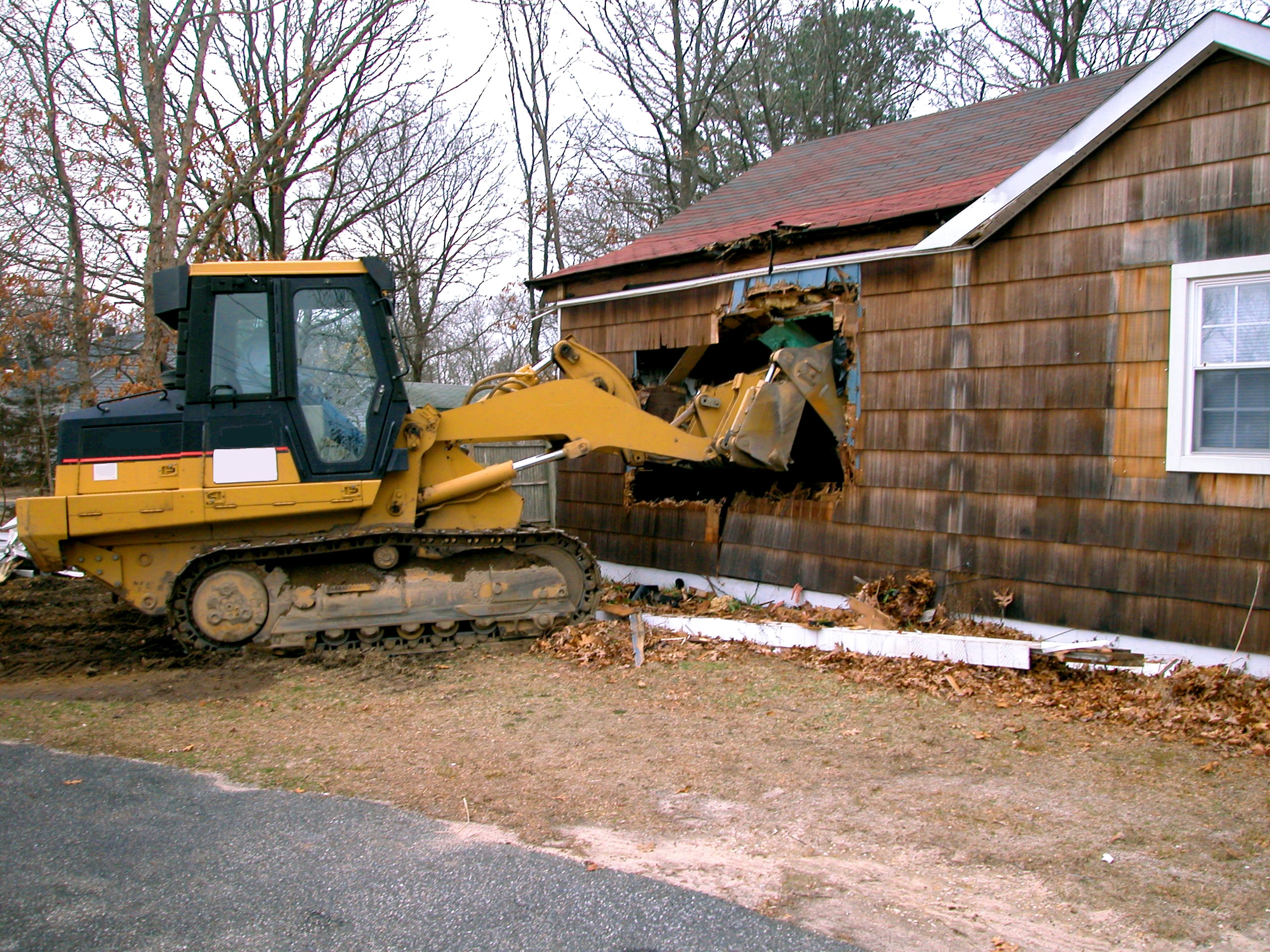
- Structures or buildings, trees and shrubs are cleared systematically.
- Green waste is mulched, chipped, or removed responsibly.
- Hazardous materials like asbestos are handled by licensed specialists.
Step 4: Earthworks and levelling
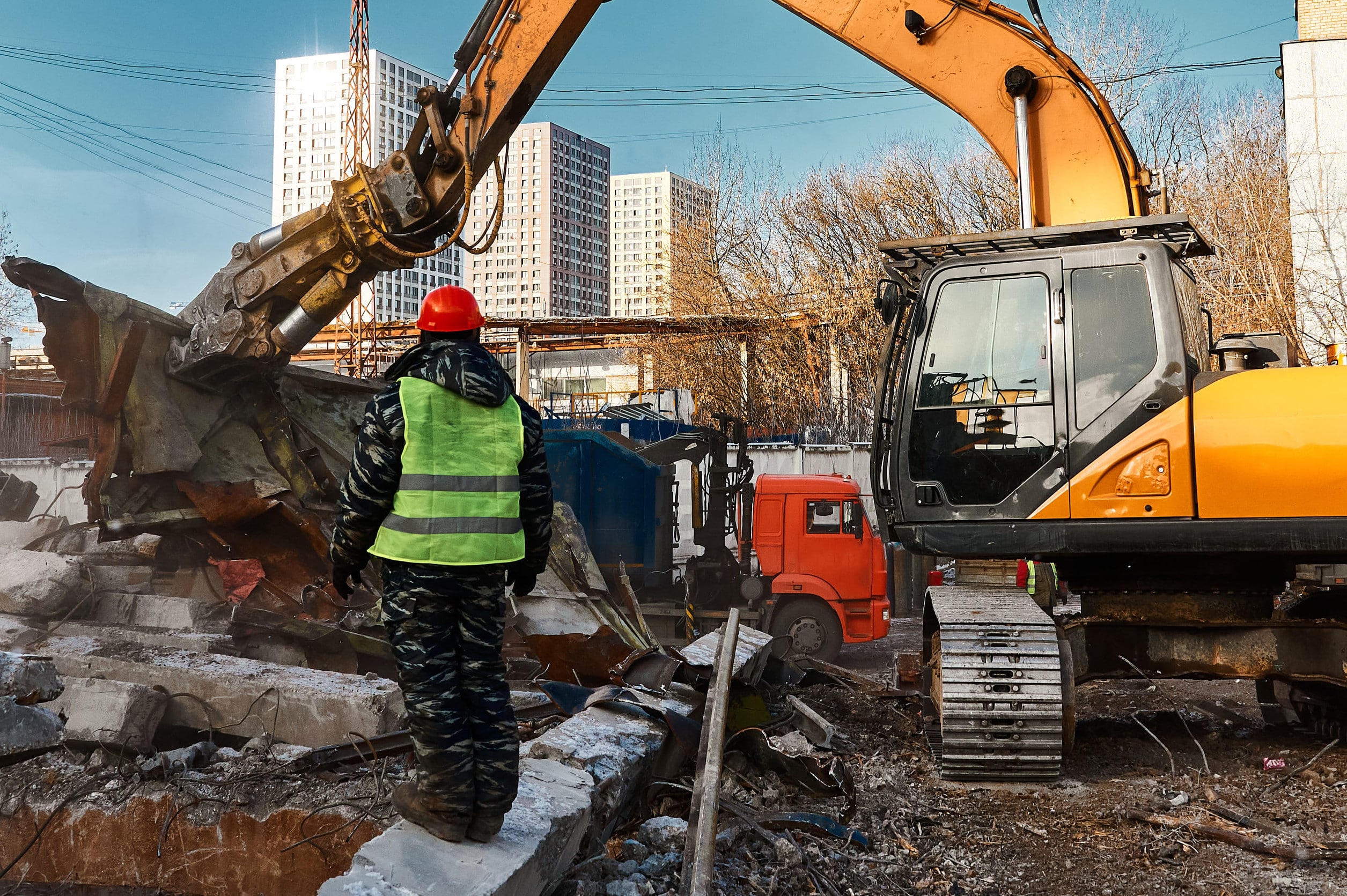
- Heavy equipment, such as bulldozers and excavators, is used to shape the site.
- Soil is compacted and graded for drainage.
- Final surface is raked and ready for slab or foundation work.
Step 5: Final inspection and handover
- The site is checked for compliance and safety.
- Documentation, including clearance certificates, is provided.
- Your land is now ready for builders to begin construction.
What permits and approvals are needed in NSW?
NSW has strict rules around land clearing and site preparation. Not having the appropriate approvals can result in fines or project delays.
Council development consent
- Most residential builds require development approval.
- Vegetation removal may need separate permits.
- Check with Newcastle, Lake Macquarie, or Hunter Valley councils.
Native vegetation and biodiversity rules
- Protected trees or habitats may restrict clearing.
- Biodiversity assessments may be required.
- Exemptions exist for small-scale or low-impact work.
Asbestos and hazardous material handling
- Asbestos may only ever be handled by licensed contractors.
- Clearance certificates are mandatory.
- Asbestos waste must be taken to licensed disposal facilities.
Erosion and sediment control
- Sites near waterways have additional protections.
- Sediment fences and runoff controls may be required.
- Plans must be submitted with development applications.
How is the land left after site preparation?
Once work is complete, your site should be clean, level, and ready for the next phase.
Surface condition
- All vegetation and debris removed.
- Ground is compacted and graded.
- No remaining stumps or underground obstructions.
Documentation
- Clearance certificates and permits provided.
- Waste disposal receipts for hazardous materials.
- Site survey or levels report, if required by your builder.
Readiness for construction
- Access routes for builders and machinery confirmed.
- Drainage and utility trenches marked.
- Slab or foundation work can begin immediately.
Frequently Asked Questions
Do I need council approval to clear my land?
Yes, most residential land clearing in NSW requires development consent or a vegetation permit. Check with your local council.
How long does site preparation take?
Expect a project on a normal-sized block to take around 1 to 5 days, depending on vegetation density and site access.
What happens to the cleared vegetation?
Green waste is typically mulched, chipped, or removed to licensed disposal facilities. Some material can be reused on-site.
Can I prepare my own land for building?
Yes, you could, but you probably wouldn’t be able to guarantee legal compliance, safety, and proper documentation. DIY work risks fines and delays.
What if my land has asbestos?
Asbestos must be removed by licensed specialists. A SafeWork NSW clearance certificate is required before any further work.
Why Choose House Demolition Newcastle for Your Site Preparation?
House Demolition Newcastle are a locally owned and operated team with deep roots in Newcastle, Lake Macquarie, and the Hunter Valley. Our approach is straightforward: we deliver safe, compliant, and efficient land preparation for house construction NSW so you can simply focus on your build.
- Expertise you can trust: Fully licensed for asbestos removal and site remediation.
- Clear communication: No hidden fees, no jargon, just honest advice.
- Community-minded: We treat every property like it’s our own, with respect for your timelines and neighbours.
Read our site clearing and earthworks webpage for more information, and get in touch with us for a free quote and site assessment. Let’s clear the way for your future home.




Leave A Comment