
If you own a home in Newcastle, the Central Coast, or the Hunter Valley, and you are considering demolition, this article is for you.
Maybe the house has seen better days, or you’re planning a knockdown-rebuild, a subdivision, or simply need to clear a site. A well-managed building demolition project may include planning, council approvals, and identifying hazardous materials. It also includes removing hazardous materials, doing the demolition work, and disposing of all waste responsibly. Residential demolition is more complex than you realise, and getting it right from the start saves time, money, and a lot of stress.
This guide walks you through everything you need to know, from permits and asbestos, plus a handy walkthrough of the end-to-end residential demolition process.

What Is Residential Demolition?
Residential demolition is the controlled removal of a house or other dwelling structure from a site. A well-managed building demolition project could include planning, council approvals, identification and removal of any hazardous material, the actual demolition work, and responsible disposal of all waste.
The process should leave you with a clean, clear site ready for your next project.
Full Demolition vs Partial Demolition
- Full demolition involves removing the entire building, including internal and external walls, and the roof, normally down to the slab, which may also be demolished and removed, if required
- Partial demolition covers the removal of certain sections, such as extensions, garages, outbuildings, or a single storey of a two-storey home
When Do Homeowners Demolish?
Common reasons a homeowner might proceed with demolition:
- A knockdown-rebuild project to replace an ageing building with a new home
- Storm, fire, or flood damage that has left the structure beyond repair
- Issues such as subsidence or termite damage
- Subdivision or development of the block requires the existing structure to be removed
- Removal of unwanted or unsafe outbuildings, sheds, or secondary dwellings
Asbestos: The Hidden Danger in Older Newcastle Homes
This part of the conversation can surprise many homeowners, especially those who purchased an older property without a full building inspection. Asbestos is present in a significant proportion of Newcastle’s residential housing stock, and it must be properly managed before any demolition work begins.
Why Asbestos Is So Common in Newcastle’s Housing
Asbestos was used extensively as a building material in Australia throughout the building booms of the 1940s to the late 1980s. It was cost-effective, with properties such as fire resistance. It was widely used for insulation and was bound in concrete.
If your home was built before 1990, there is a reasonable chance that asbestos-containing materials are present within the structure. Common locations include:
- External wall cladding, eaves and fascia boards
- Roofing materials and guttering
- Internal wall linings, ceilings, floor tiles and tile adhesive
- Pipe lagging and insulation
There are two types of asbestos you need to know about. Bonded (non-friable) asbestos is mixed with a binding material such as cement and is less dangerous when intact. Friable asbestos is loose or crumbly, releases fibres easily, and poses a significantly higher health risk.
The Risks of Disturbing Asbestos
Asbestos fibres, when disturbed, can become airborne and inhaled, often causing serious, life-threatening conditions, including mesothelioma, asbestosis, and lung cancer. These diseases often take decades to develop, so the consequences of improper asbestos handling may not become apparent for many years.
Asbestos that is in good condition and left undisturbed poses a lower immediate risk. The danger arises when materials are cut, drilled, broken, or otherwise disturbed, which is what happens during demolition!
NSW Regulations Around Asbestos Removal
SafeWork NSW has strict requirements for the identification, removal, and disposal of asbestos in residential settings:
- A licensed asbestos assessor must identify and document any asbestos present before demolition begins
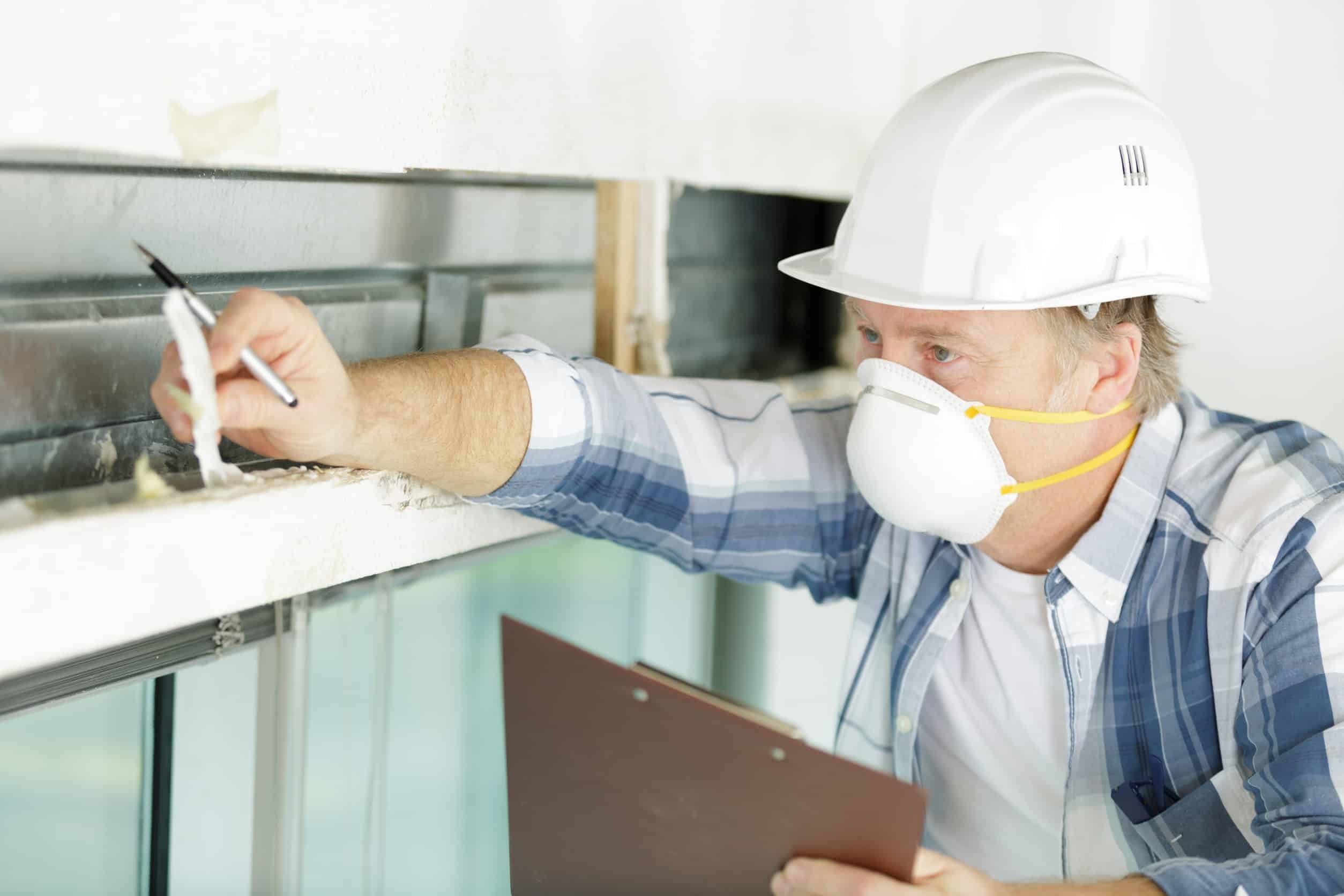
- Removal of friable asbestos must only ever be carried out by a licensed asbestos removalist with a Class A licence
- Removal of bonded asbestos over 10m² also requires a licensed removalist with a Class B licence or above
- All asbestos waste must be taken to a NSW EPA-approved disposal facility
- A clearance inspection is required after removal to confirm that the site is safe to proceed
A licensed demolition contractor will manage this entire process on your behalf, ensuring full compliance with SafeWork NSW and EPA requirements.
Permits and Approvals: What You Need Before Work Starts
The approvals process will probably take longer than you expect. But note that starting demolition without the relevant approvals is illegal and can result in fines and delays.
Do You Need a Demolition Permit in Newcastle?
Normally, yes. In NSW, demolition work is typically approved via one of the following permits:
- A Complying Development Certificate (CDC) is used for straightforward residential demolition. This is a faster pathway processed through a private certifier.
- A Development Application (DA) is required for more complex projects, including heritage-listed properties, homes in heritage conservation areas, and, sometimes, when demolition is part of a broader development proposal.
Both Newcastle City Council and Lake Macquarie City Council have their own local planning controls that may affect your project. The NSW Planning Portal is the ideal starting point for understanding which pathway applies to your property.
Other Approvals and Notifications
Beyond the primary demolition approval, there are several additional steps that must be completed before work begins:
- Utility and services
- Electricity, gas, water, and sewer connections must be disconnected and signed off by the relevant providers
- Dial Before You Dig
- Underground service checks may be required to identify buried pipes, cables, and conduits on the site
- Neighbour notification
- Depending on the conditions applying to your approval, adjoining owners may need to be formally notified
Your demolition contractor should be familiar with all of these requirements and will guide you through the process.
The Residential Demolition Newcastle Process, Step by Step
Understanding what happens and in what order helps you plan effectively and avoid surprises.
Site Assessment and Quote
A demolition contractor will carry out a site inspection to review the building, plus access conditions, and any specific risks or constraints.
A written quote details what is included in the scope of work, what approvals will be obtained, how asbestos will be managed, and how waste will be disposed of.
Approvals and Pre-Demolition Preparation
The preparation phase begins. This typically involves lodging the relevant DA or CDC application with the council or a private certifier and arranging an asbestos survey of the property.
If required, asbestos must be removed and disposed of by a licenced professional and utility providers should be contacted to arrange disconnection.
The Demolition Itself
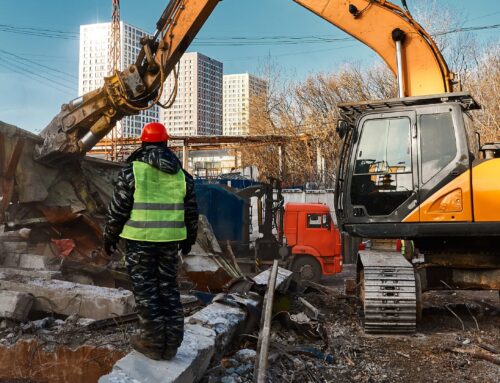
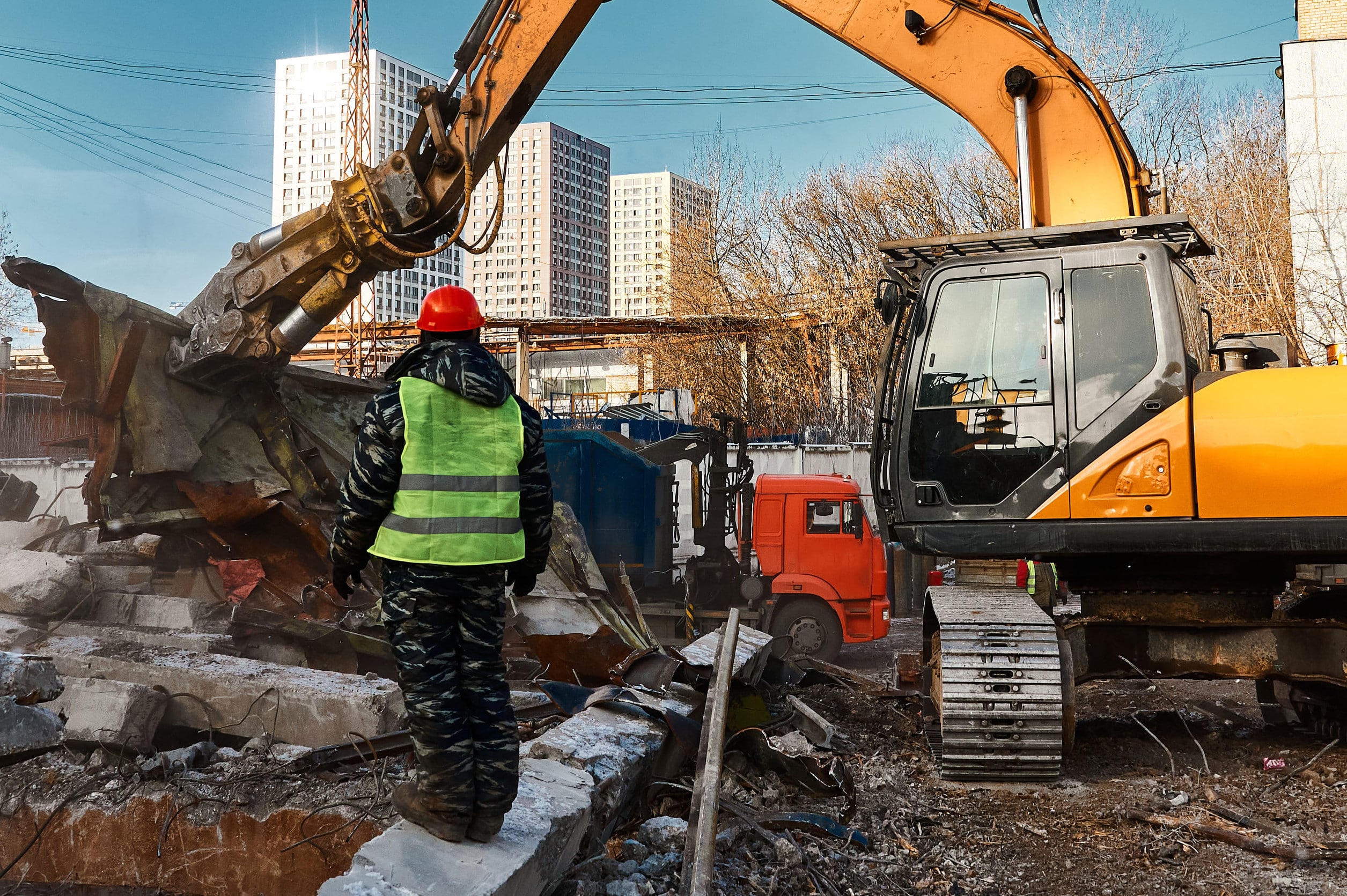
Depending on the site and structure, the contractor may use mechanical demolition with an excavator, which is the most common method for full residential demolition.
Manual demolition can be more appropriate for partial demolition or in confined spaces where machinery cannot safely operate.
Waste Removal and Recycling
Debris and waste material are sorted on site and taken to a recycling facility if possible, diverting as much as possible from landfill.
All asbestos waste, as noted above, must go to an approved disposal facility and cannot be mixed with other demolition waste. NSW EPA guidelines apply throughout.
Site Clearance and Handover
At handover, the site should be clean, level, and free of debris, ready for your builder, surveyor, or landscaper to proceed.
Ready to Start Your Newcastle Residential Demolition Project?
House Demolition Newcastle is a locally based demolition specialist serving Newcastle, Lake Macquarie, and the Hunter Valley. We deliver peace of mind, handling the full process from initial site assessment through to council approvals, asbestos management, demolition, and site clearance, so you don’t have to.
To find out more about residential demolition services or to request a no-obligation quote, visit our House Demolition Newcastle services page to get in touch with the team.


Leave A Comment